08 September 26
We Halved Our Carbon Footprint in Just Five Years
We Halved Our Carbon Footprint in Five Years
Our carbon footprint has more than halved in just five years, reaching a major milestone in our decarbonisation journey, whilst continuing to grow our operations.
As one of the first businesses to sign Logistics UK’s ‘Route to Net Zero’ pledge, we have reduced our average fleet carbon emissions per kilometre by 55% against our baseline year, exceeding the level we originally targeted for 2030.
We have also markedly decreased our carbon emissions relative to turnover and delivered our largest annual carbon reduction to date. Reaching this milestone at the halfway point of our 2030 decarbonisation road map puts us in a strong position to achieve our net zero emissions target by 2045.
Anna Rickard, Environmental Consultant for Howard Tenens, said:
“We are absolutely delighted with the significant progress we have made so far in reducing our carbon footprint. 100% of our customers’ warehouse operations are now achieved using renewable electricity through a combination of investment in solar PV on our roofs, renewable energy contracts and bioLPG being used in our MHE equipment.
Over 95% of our emissions are now due to the large fleet of trucks that we operate and as everyone in the logistics industry will know, decarbonising heavy goods vehicles is extremely challenging due to the limited technological options available. We are using every viable option to reduce our emissions, whether that be renewable diesel, bioCNG or electric vehicles for our fleet. Achieving a 55% reduction in average fleet emissions is an amazing milestone, and one which we are incredibly proud to have achieved.”
Turning long-term ambition into action
Over the last five years, we have introduced a broad range of carbon reduction initiatives across our transport and warehousing operations.
During the 2024/25 financial year, 3.3 million litres of diesel was replaced with HVO renewable fuel and our biomethane-powered fleet expanded to seven vehicles. Renewable fuels accounted for more than half of all fuel used across our fleet.
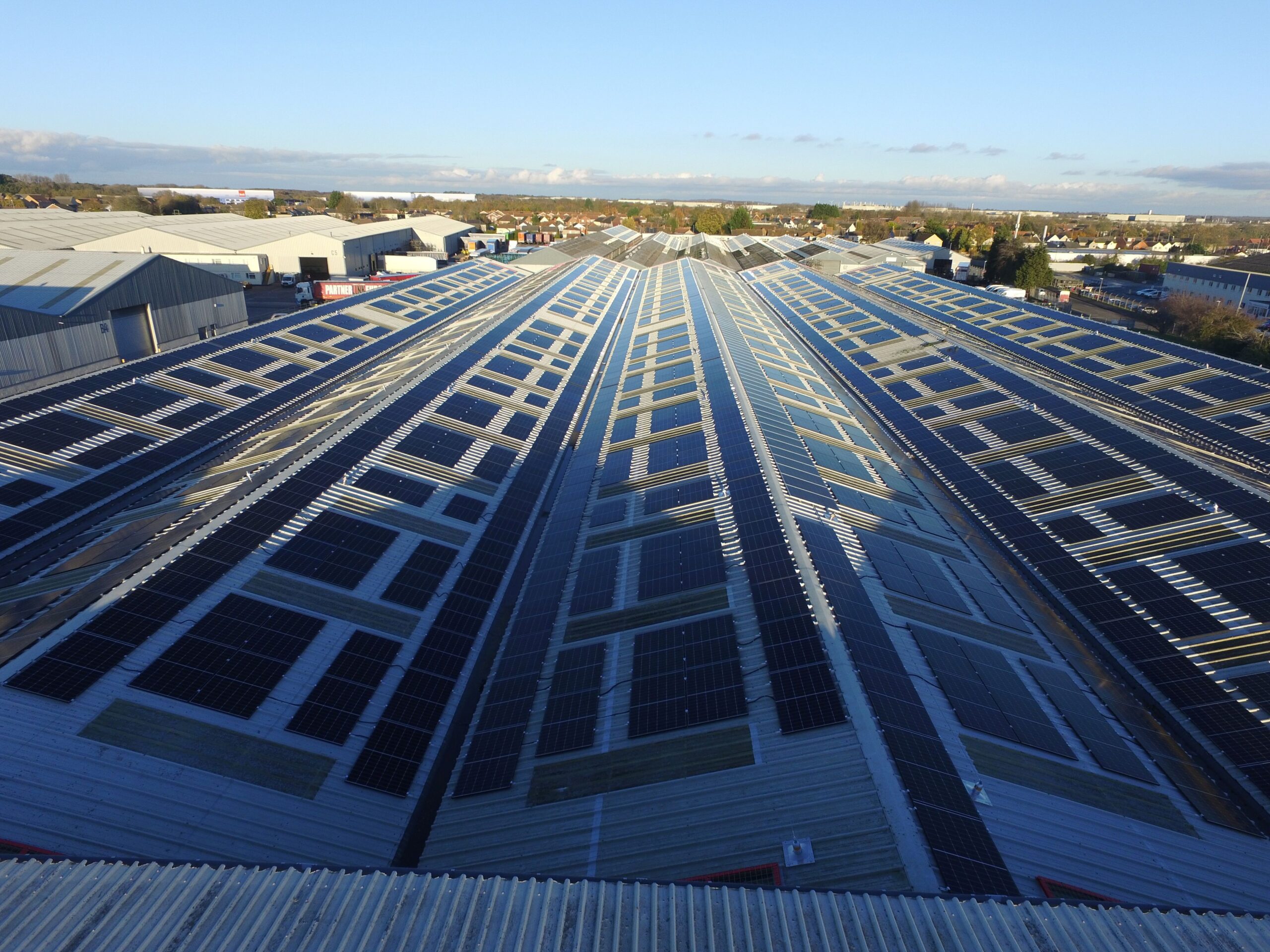
Our solar energy generation capacity increased to over six MWp, sufficient to meet 29% of our electricity needs. Alongside this investment, we transitioned our warehouse MHE equipment to more energy efficient and lower-carbon alternatives and deployed advanced telematics technology to improve vehicle efficiency.
These initiatives are delivering significant results. In our latest reporting year alone, our total carbon emissions reduced by 34%, equivalent to more than 3,600 tonnes of CO₂e. Compared with our baseline year, our emissions per £million turnover have fallen by 72%; demonstrating that meaningful environmental improvements can be achieved alongside commercial growth.
Moving into the next phase
We are now entering the next phase of our decarbonisation strategy, investing in zero-emission vehicle technology and the infrastructure needed to support it.
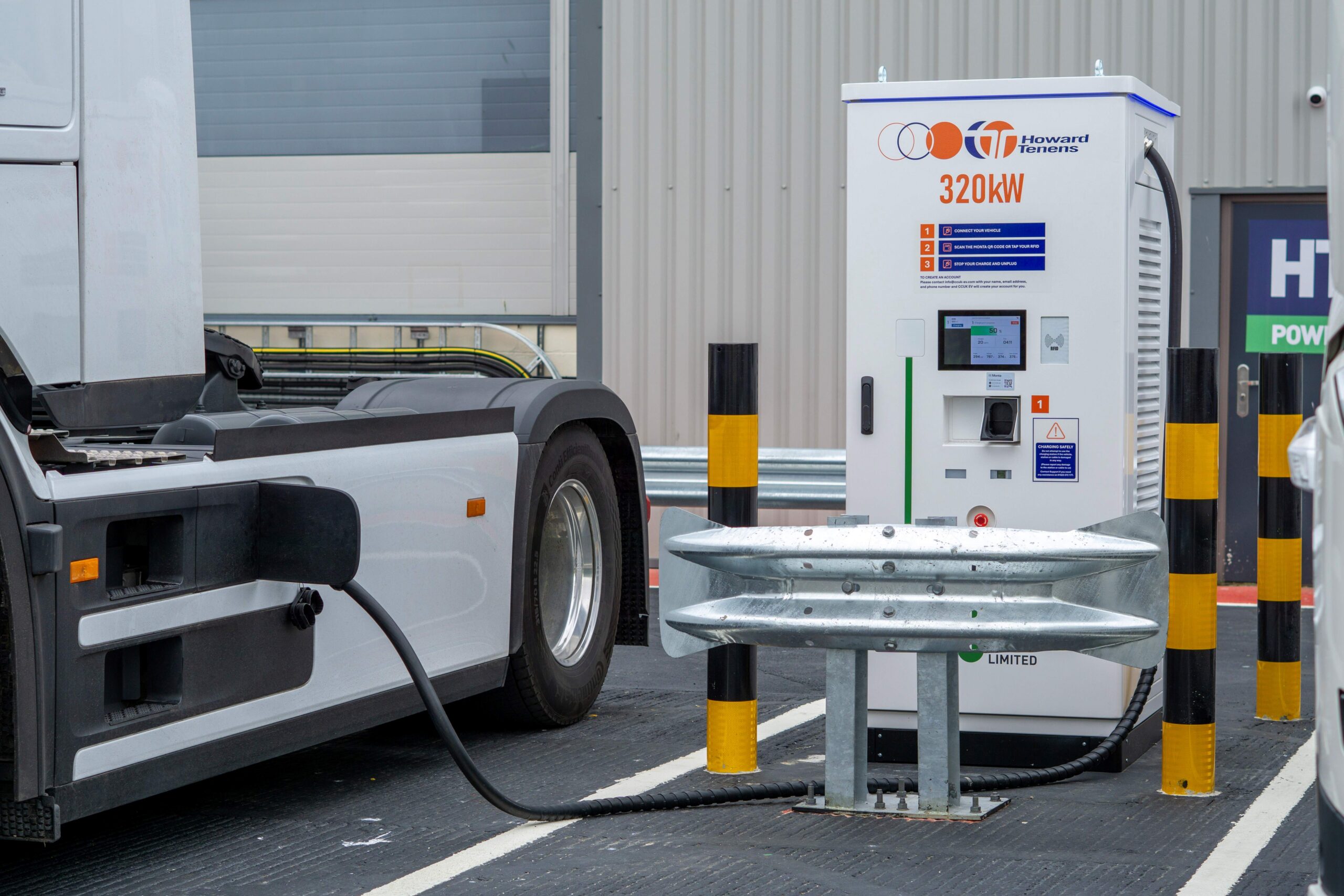
Having recently purchased our first battery-electric HGVs, including a 42-tonne articulated vehicle and a 28-tonne rigid truck., we have also invested in new EV charging infrastructure at our Swindon, Ashby and Stakehill depots, with 320kW of installed charging capacity at each site and six 40kW mobile chargers distributed across our depots as part of the project.
Our work extends beyond our own operations. We continue to play an active role in shaping the future of sustainable logistics through our participation in Project JOLT, where we are trialling electric heavy goods vehicles through industry partnerships. We are also sharing our operational insight through engagement with government and industry decarbonisation working groups.
Jamie Hartles, Group Chief Executive Officer, said:
“Our sustainability journey began nearly two decades ago, long before sustainability became a mainstream business priority. We then set ourselves ambitious targets because we believed the logistics industry needed to move toward delivering real results. Achieving these goals ahead of schedule shows what's possible when long-term commitment is backed by investment and action.
We're now entering the next stage of that journey. The introduction of our first battery-electric HGVs and investment in charging infrastructure marks an important step towards the future of road transport. While challenges remain across the sector, we're committed to being part of the solution and helping drive the transition to lower-carbon logistics.”
Our achievements have recently been recognised through industry award shortlists, including nominations for both Low Carbon and Sustainability awards. While we are proud of this recognition, we believe the most important measure of our success is the tangible progress we are making towards a lower-carbon future.
With significant carbon reductions already delivered and major investments underway, we remain firmly focused on our long-term ambition: reaching net zero emissions by 2045.
